















-
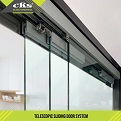
- TELESCOPIC SLIDING DOOR SYSTEM
-

- V-SERIES FLOOR HINGE & PATCH FITTINGS
-

- MATT BLACK SERIES
-
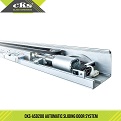
- AUTOMATIC SLIDING DOOR SYSTEM
-

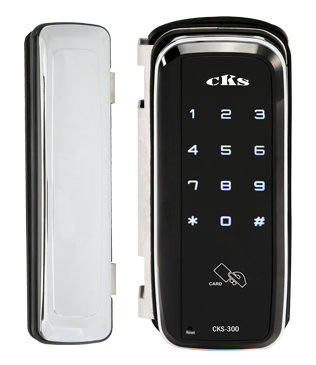
- DIGITAL DOOR LOCK
-

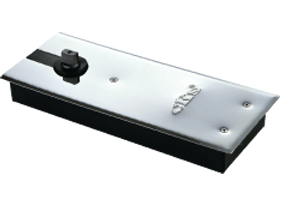
- FLOOR HINGES
-

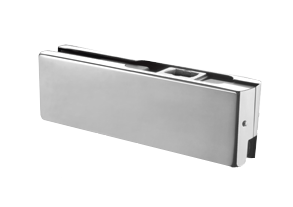
- HYDRAULIC PATCH FITTING
-

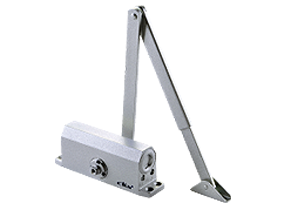
- DOOR CLOSER
-

- PIVOT DOOR SYSTEM
-

- PATCH FITTINGS
-

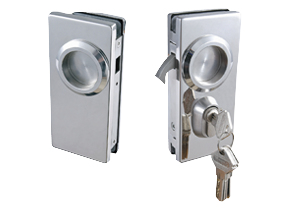
- LOCKS
-

- SHOWER HINGES
-

- SHOWER STABILIZERS
-

- SEALING STRIPS
-

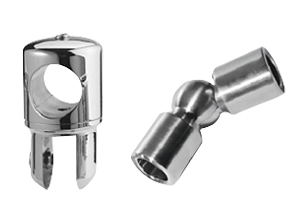
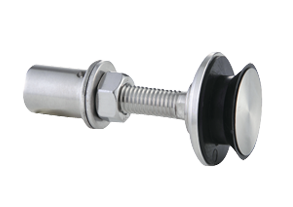
- GLASS CONNECTORS
-

- GLASS CONNECTOR (80A SERIES)
-

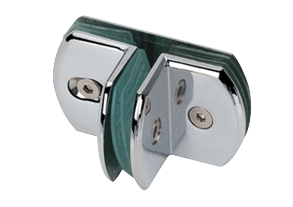
- GLASS BRACKETS
-

- DOOR KNOBS
-

- DOOR HANDLES
-

- DOOR HANDLE WITH LOCKS
-

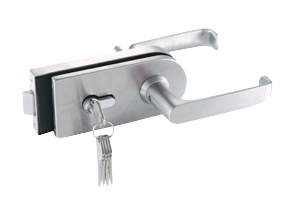
- DOOR LOCK WITH LEVERHANDLE
-

- SHOWER SLIDING DOOR SYSTEM
-

- SOFT-CLOSE SLIDING DOOR SYSTEM
-

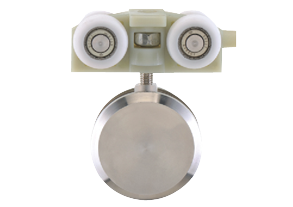
- SLIDING DOOR SYSTEM
-

- SLIDING DOOR HANDLE & LOCKS
-

- FOLDING DOOR SYSTEM
-

- SLIDE & STACK SYSTEM
-

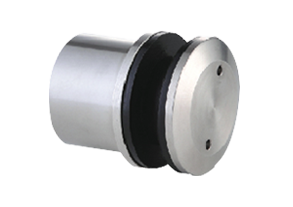
- SPIDER FITTING / BASE / ROUTELS
-

- GLASS BASE CONNECTORS
-
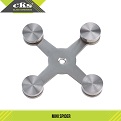
- MINI SPIDERS
-

- HANDRAIL SERIES
-

- HANDRAIL CONNECTORS
-

- BALUSTRADE SPIGOTS
-

- GLASS ACCESSORIES
-

- SILICONE & ADHESIVE
-

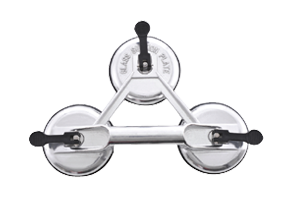
- GLASS SUCTION LIFTER
-

- GLASS TOOLS & OTHERS